
ISC 2026 Flashback
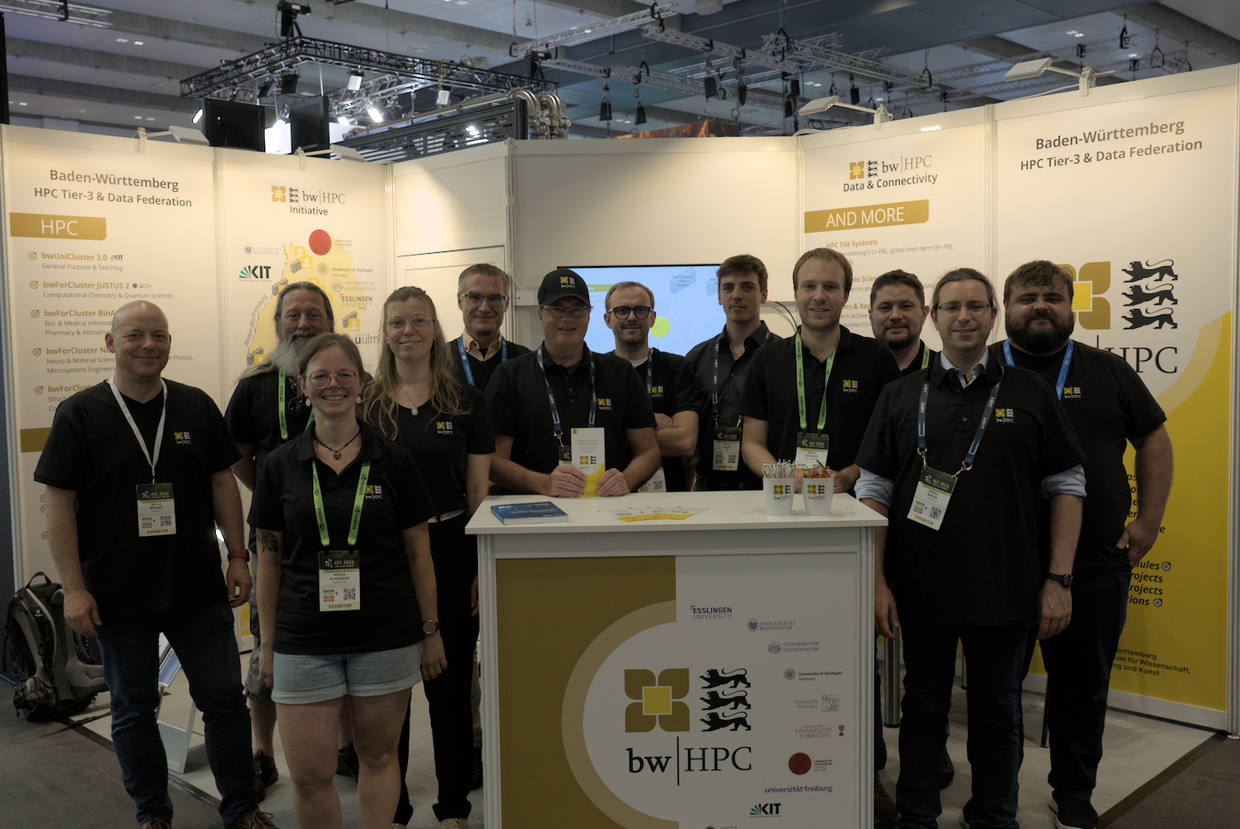
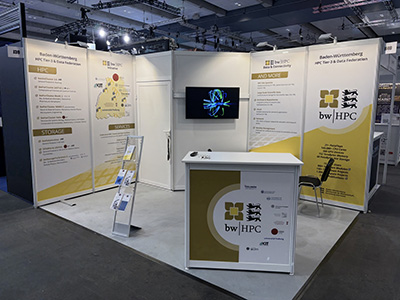
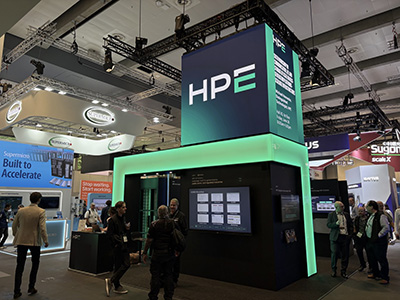
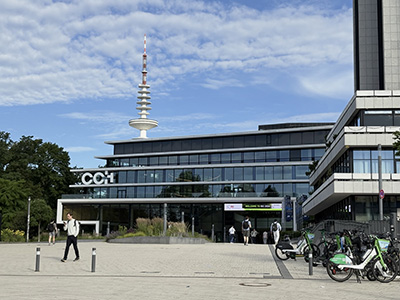
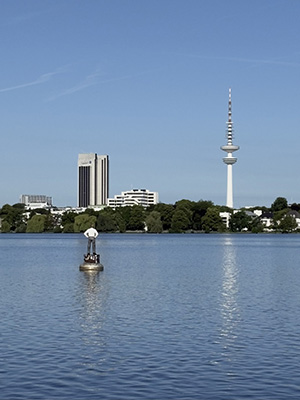
From June 23 to 25, 2026, the International Supercomputing Conference (ISC) was once again the central event of the year for the European high-performance computing community. In the vibrant atmosphere of Hamburg, 4,035 participants from 64 countries gathered to discover and discuss the latest advances in high-performance computing (HPC), artificial intelligence, and quantum computing.
Our booth attracted approximately 110 visitors, who engaged in-depth with current developments and technologies. This number of visitors was part of an international audience, with 39.5 percent of attendees from academic and research institutions, while 33.9 percent came from hardware, software, or services vendors. Notably, 63.6 percent of attendees identified primarily as industry stakeholders, while 30.4 percent came from academia.
The diversity of participants was also reflected in the 188 exhibitors from 26 countries who presented their innovations. ISC 2026 reinforced its role as a leading conference for professionals in high-performance computing, artificial intelligence, and quantum computing, offering a comprehensive technical program and a community-building atmosphere.
Looking ahead, we are pleased to announce that the next ISC will take place in Hamburg from June 7 to 11, 2027. This upcoming event will once again provide a significant platform for the exchange of leading scientific insights and applications in the HPC world.
For more information, please visit
Some more impressions from ISC 2026
The three standout themes at this year’s fair were cooling (up to 300kW/Rack), quantum computing and AI. The number of quantum-computing booths appeared to have doubled compared to last year, and AI is clearly here to stay. Numerous anecdotes highlighted the rise of Vibecoders and the challenges they bring. Petra Dalunde, Head of AI Ecosystem & Policy at Research Institutes of Sweden AB (RISE), described a 17-year-old Vibecoder already monetizing his model, without knowing what the code exactly does — a sign of a new kind of advisory need.
HPC in Europe:
EuroHPC has successfully linked quantum computing and AI while continuing to grow. The initiative now includes 14 supercomputers, 10 quantum computers, and 19 AI Factories, supported by a budget that dwarfs bwHPC’s (8.2 billion EURO). Projects across these systems can now be managed through a single, unified portal. On the final day of the fair, access to the quantum computers was opened to all users.
Stéphane Requena, CTO of GENCI, noted that for data centers hosting large numbers of AI workloads — such as Alice Recoque (Europe’s second exascale system after JUPITER, funded by EuroHPC) — operators tend to favor larger facilities. Anders Jensen, Executive Director of the EuroHPC Joint Undertaking, countered that many of the most interesting AI projects often run on smaller, petaflops-scale clusters.
TOP500:
Since 2019, there was almost no news from China on new cluster systems. This is widely read as a response to US export controls. This made the announcement of a new exascale system from China all the more surprising. LineShine at the National Supercomputing Centre in Shenzhen (NSCS) debuted at No. 1 on the TOP500 with 2.192 EFLOPS, followed by El Capitan at 1.809 EFLOPS. There are now five systems that have crossed the exaflops threshold, including the JUPITER Booster in Jülich.
Further information